











Two Enhance NEB projects want to hear from you
Not part of a previous EIT Community NEB project, but keen to join a new proposal? Here’s your way in.
A new generation of start-ups is rethinking how we build, produce, move and live. Across Europe and beyond, entrepreneurs are designing solutions that respond to today’s environmental and social challenges, not only with efficiency, but with purpose.
At the EIT Community New European Bauhaus (NEB), we support this shift by empowering ventures that embed sustainability, inclusivity and design at the core of their innovation. Because the transition we need is not only technological, it is cultural, systemic, and deeply human.
Through the Catalyse NEB programme, early-stage companies receive tailored support to strengthen their solutions, refine their value propositions and scale their impact. The focus is clear: helping founders turn bold ideas into viable, market-ready innovations that contribute to a regenerative future.
The 2026 Catalyse NEB cohort brings together 20 ventures that are challenging the status quo across sectors, from materials and energy to mobility, water, agriculture and healthcare. Together, they represent a growing ecosystem committed to reshaping the systems we depend on.
Let’s meet them!

Agforest uses satellite insights to boost resilience and support safer, more liveable cities.
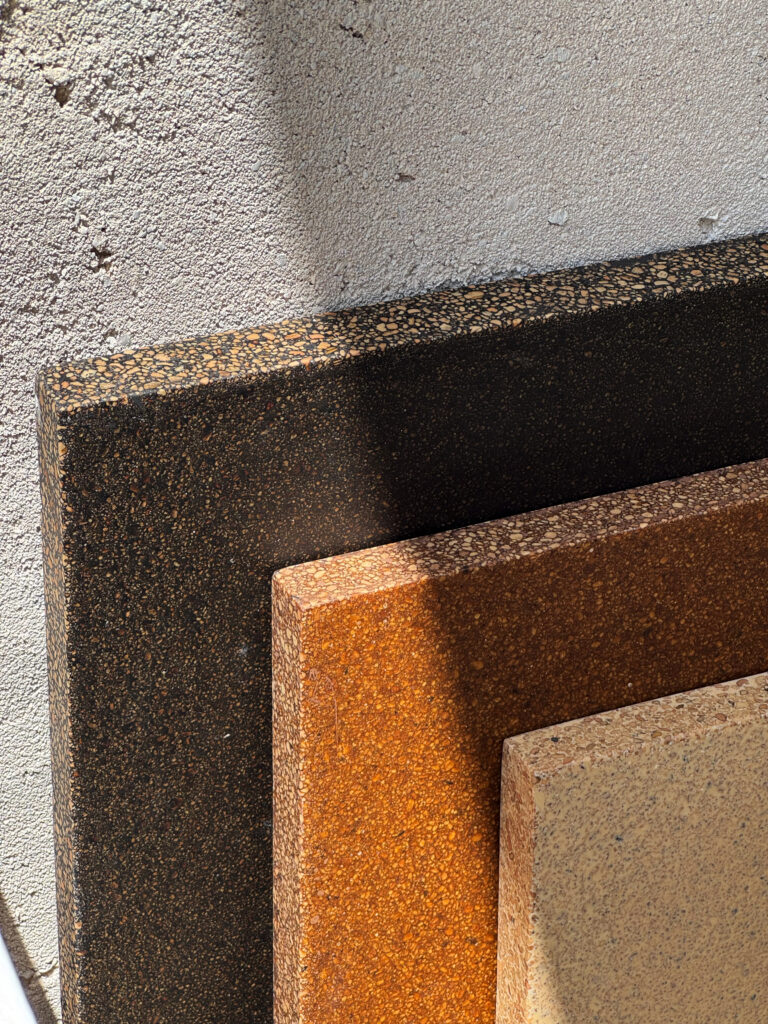
Pit-to-Table develops high-performance bio-composite panels from olive mill waste, reducing emissions while creating new income streams for farmers.
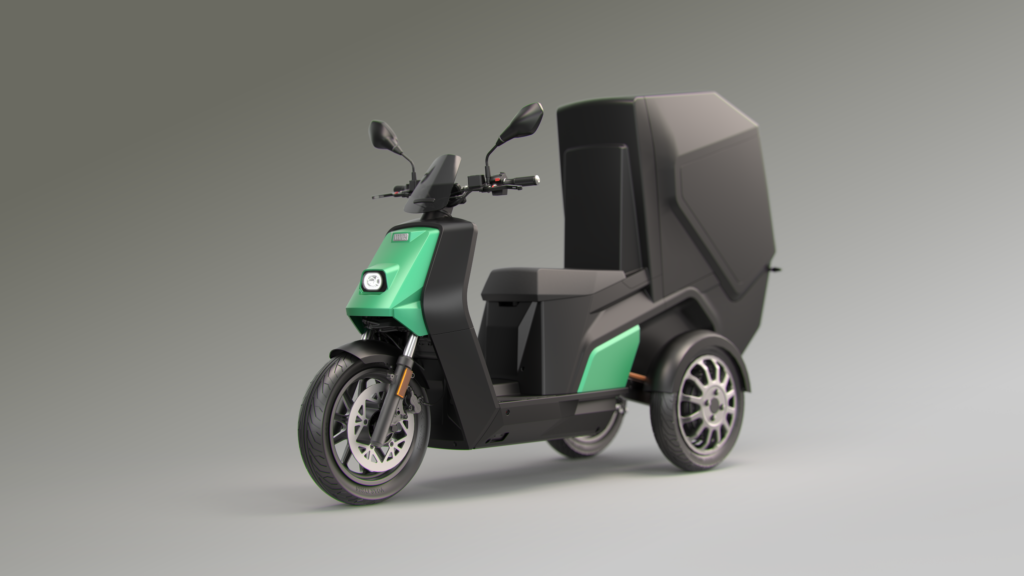
VOAR MOTOS creates accessible motorbikes, making mobility inclusive and enabling freedom for people with disabilities.
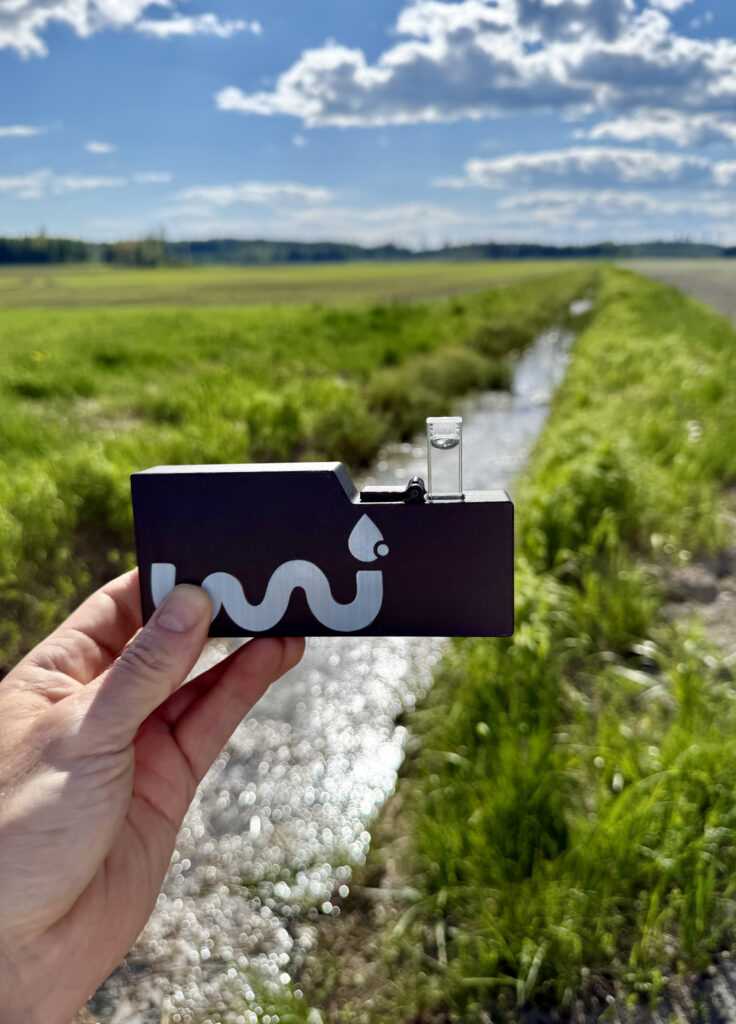
WAI transforms water data into environmental intelligence, supporting healthier ecosystems and better decision-making from source to sea.
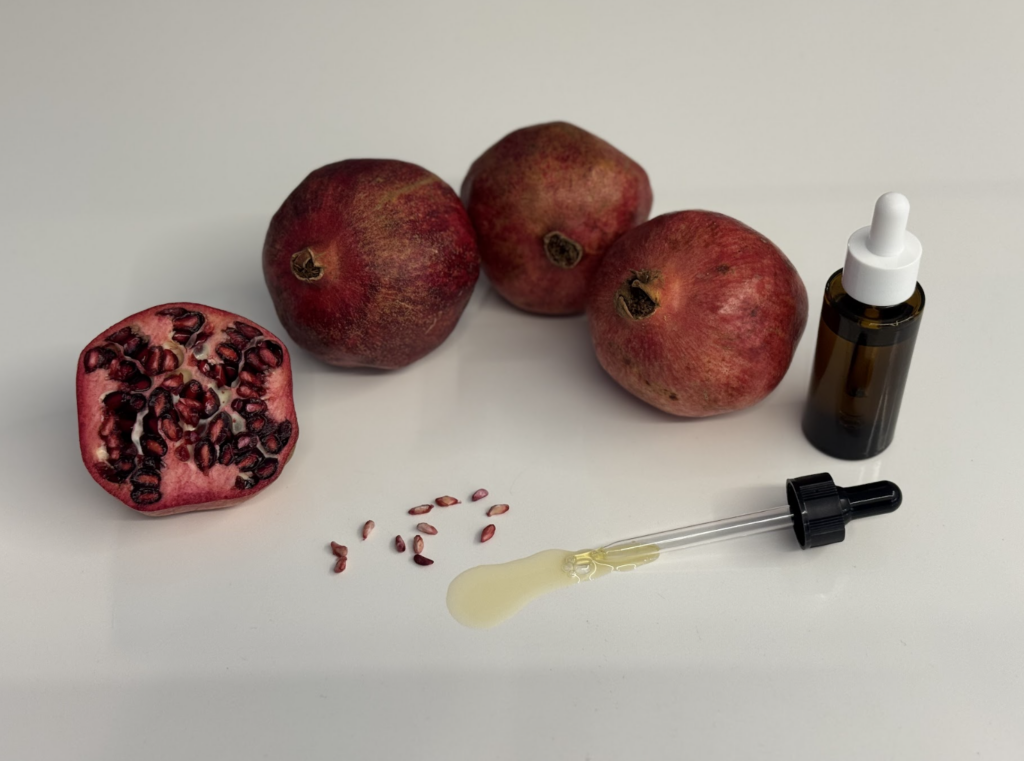
Nada upcycles fruit waste into high-performance, traceable cosmetic ingredients using CO₂ extraction, replacing petroleum-based alternatives.
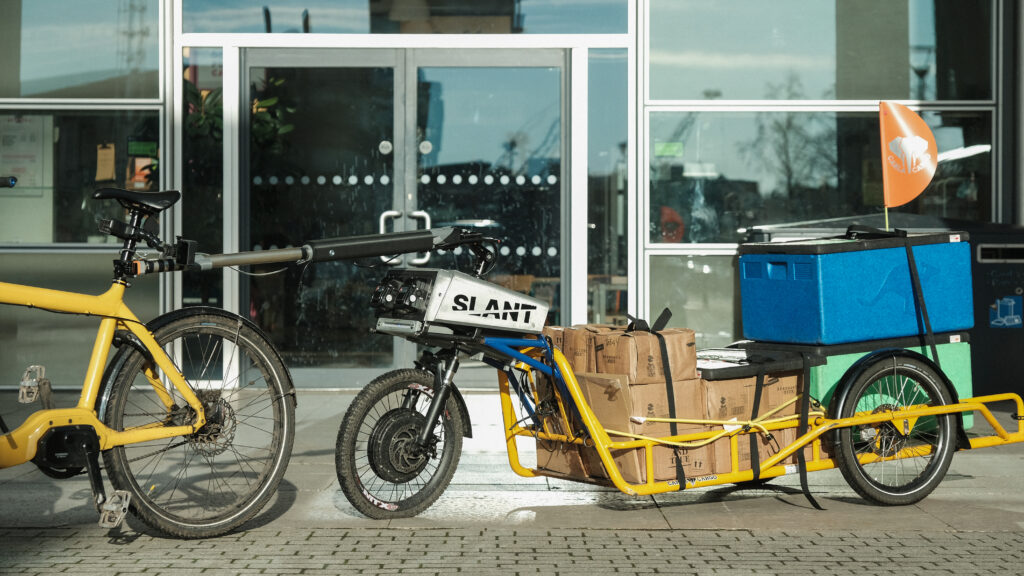
SLANT develops robotics solutions for micromobility, aiming to reduce congestion and pollution in cities.
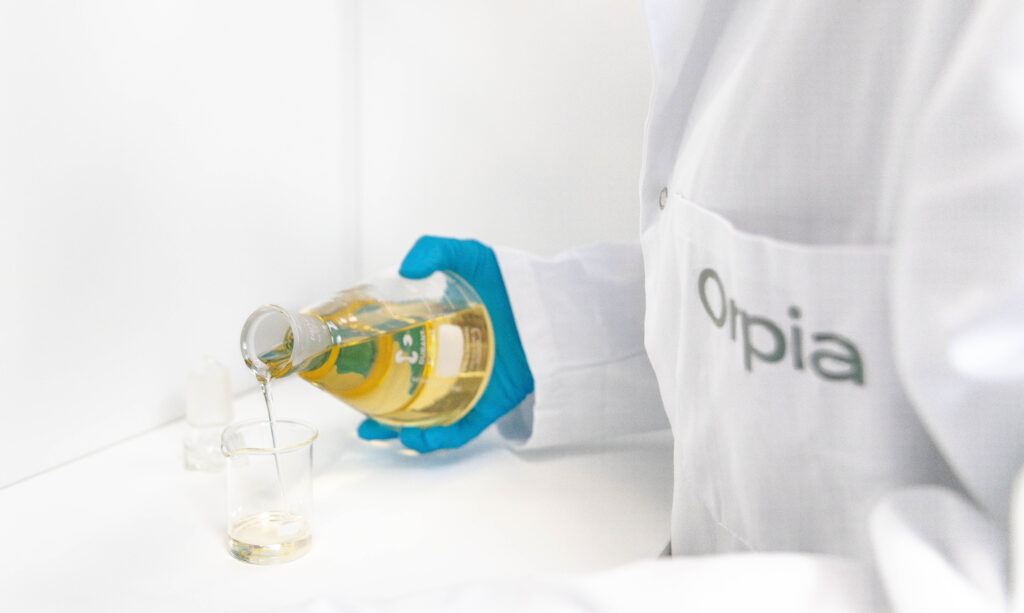
Orpia transforms cashew nutshell waste into circular, low-carbon materials for construction, roads and coatings.
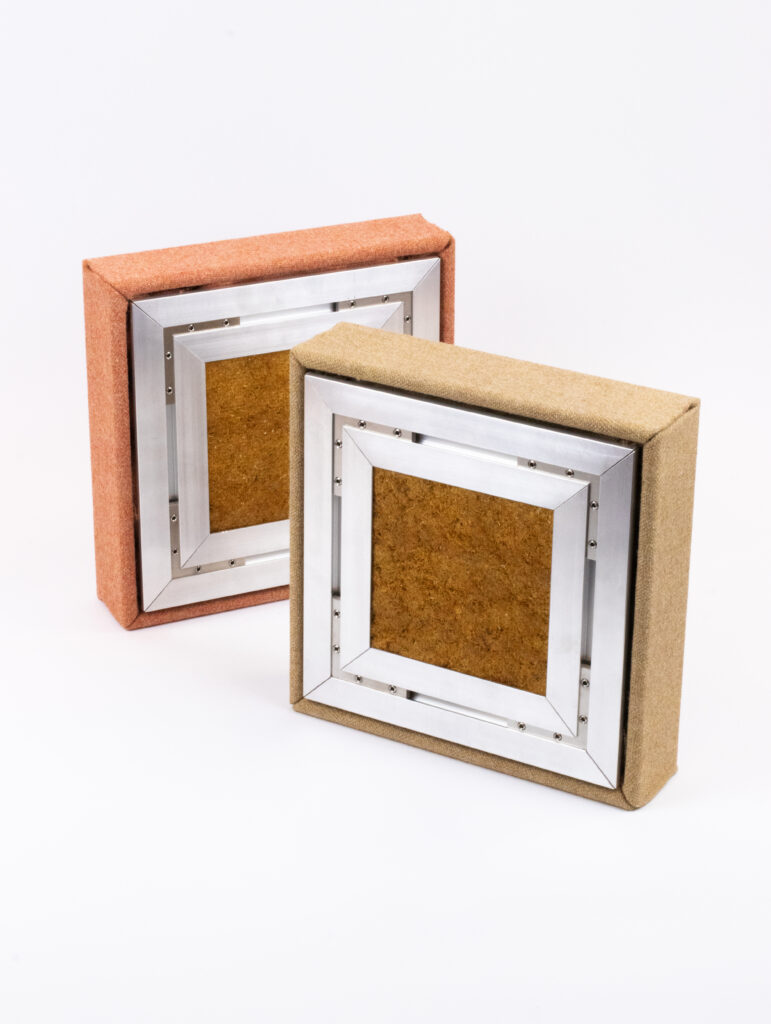
Seastex transforms shellfish-derived fibres into new bio-based materials for construction, textiles and other industries.
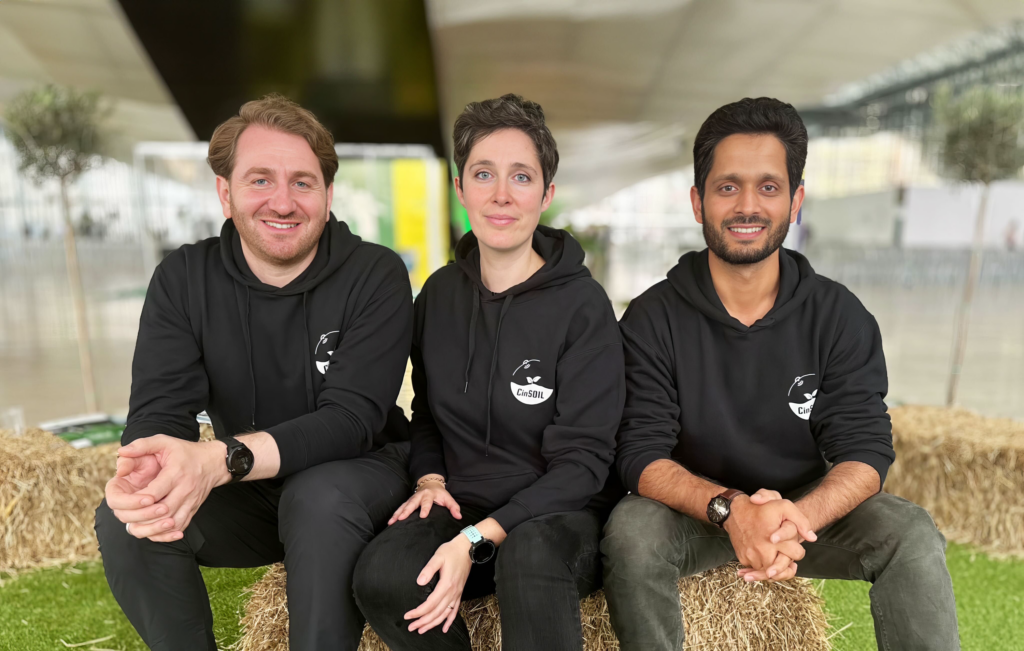
CinSOIL uses Earth observation, AI and soil data to generate insights on soil carbon, supporting regenerative agriculture and agri-food decarbonisation.
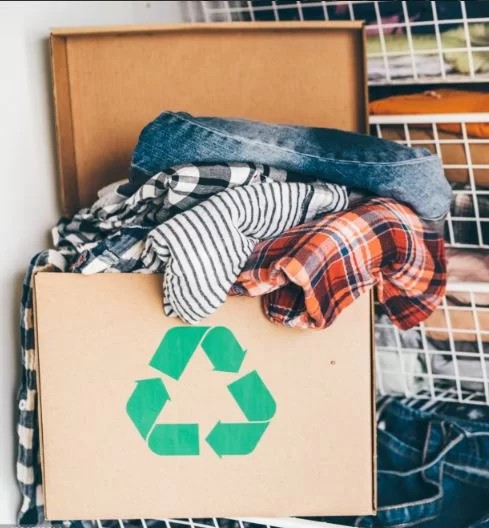
BioFashionTech develops biotechnology solutions to transform textile waste into bio-based raw materials for circular industrial applications.
Lensor enables nature-positive decision-making in the built environment and managed landscapes through data-driven insights.

Recycllux builds systems to transform unmanaged marine waste into traceable, circular material flows while empowering coastal communities.
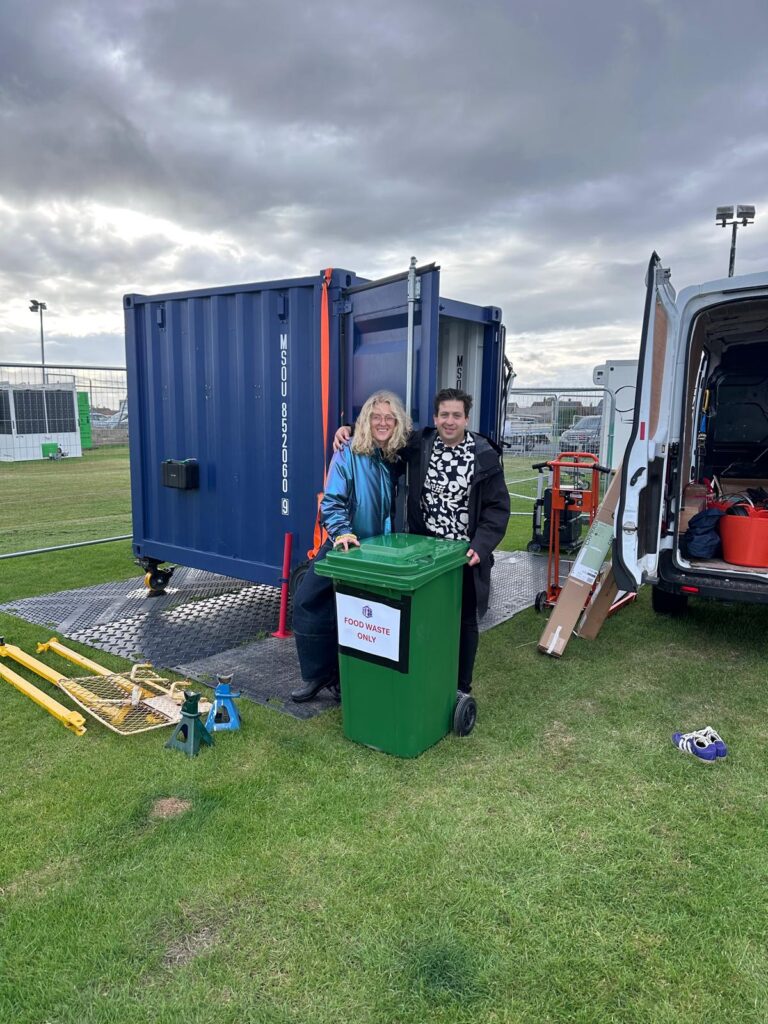
Potenix uses engineering biology to convert food waste into clean energy, turning a major waste stream into a valuable resource.
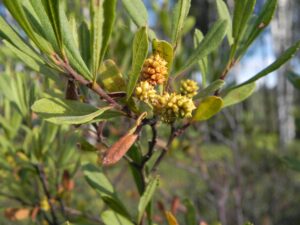
Terra Distilla explores material awareness and circularity, rethinking how products relate to natural cycles and resource use.
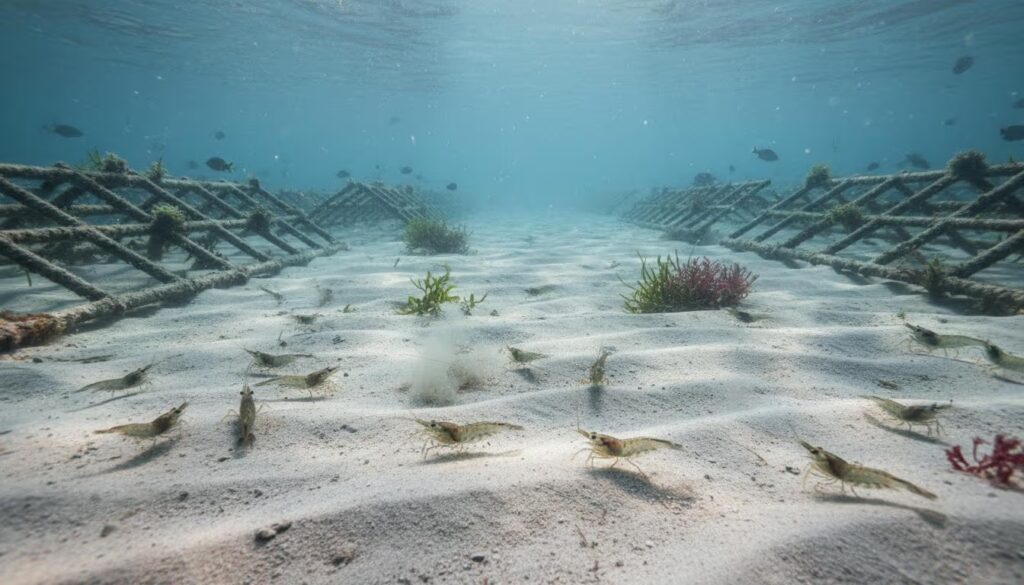
Neusatz Aqua develops regenerative aquaculture systems that combine food production with ecosystem restoration and smart water management.
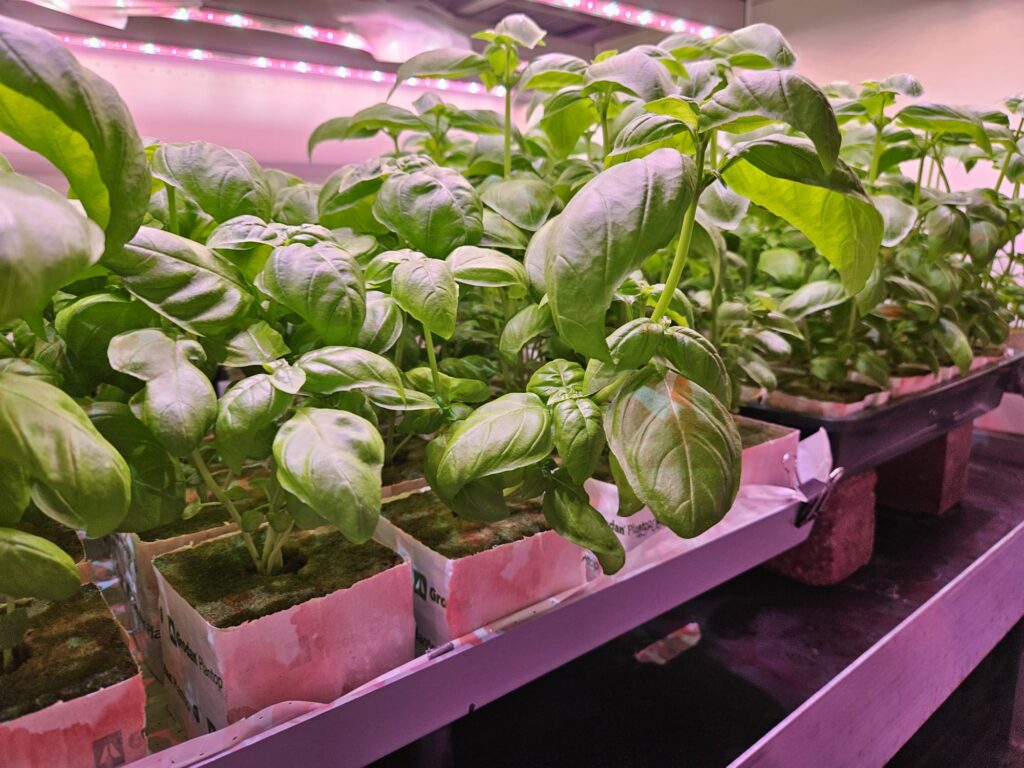
Farm-32 builds climate-independent farming systems that enable resilient, year-round food production anywhere in the world.
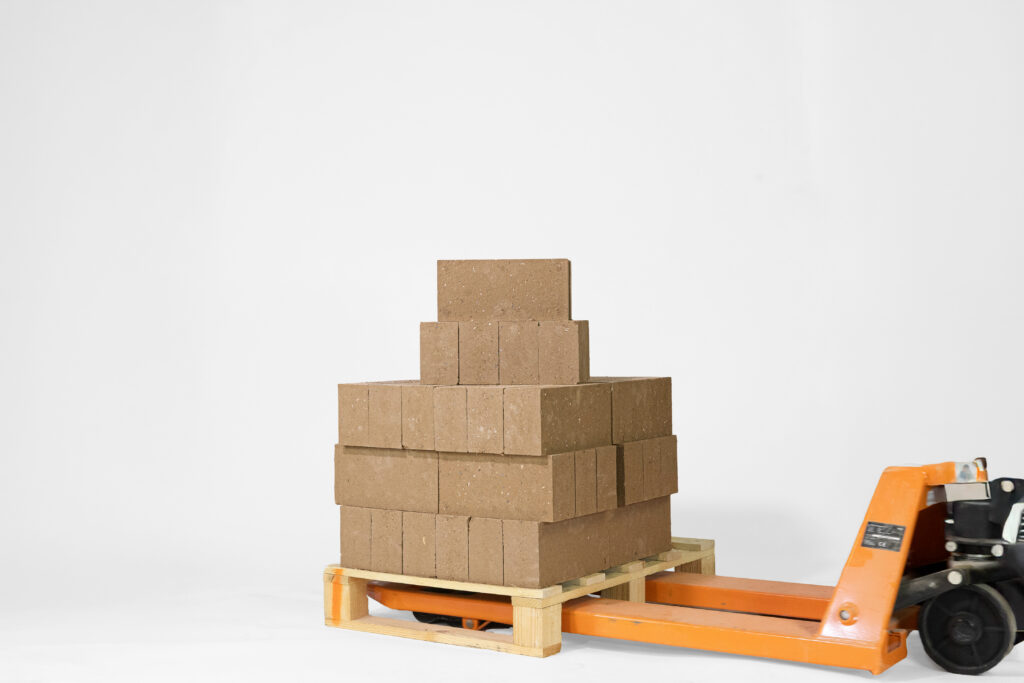
earthbound transforms excavated construction soil into regenerative building materials, addressing one of Europe’s largest waste streams.
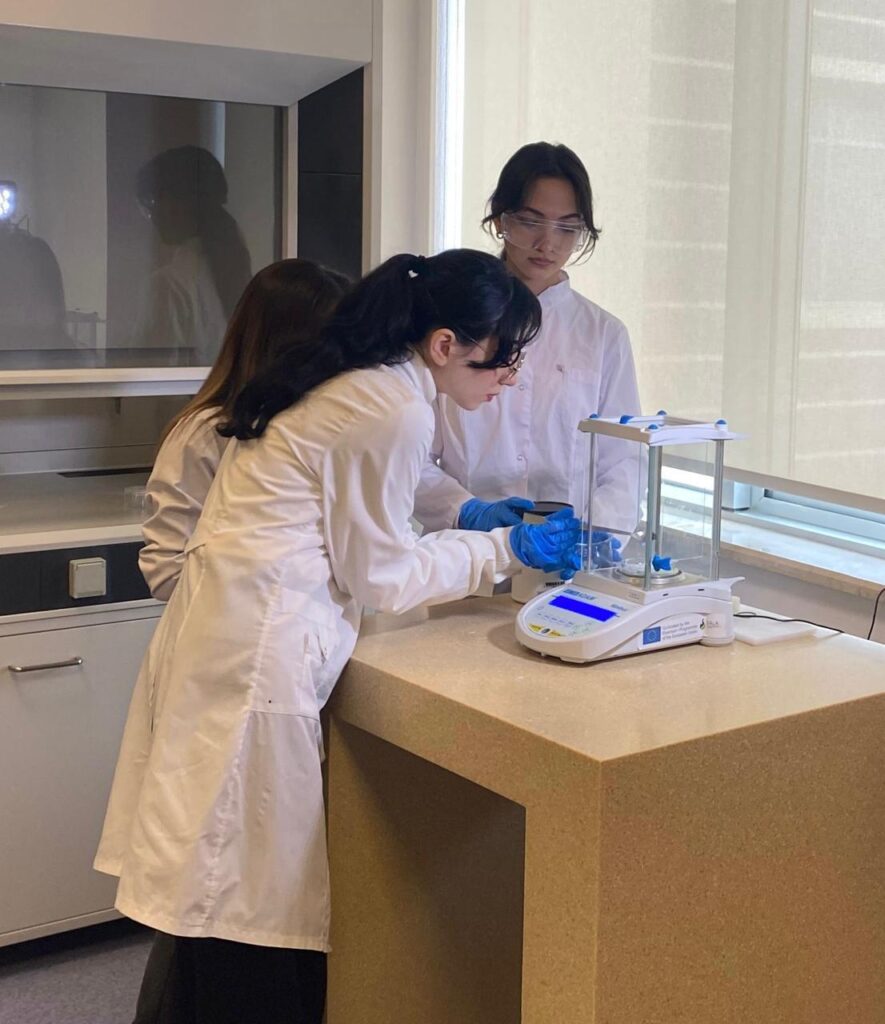
Climasel develops energy-efficient cooling panels that reduce emissions and provide affordable, climate-resilient indoor comfort.
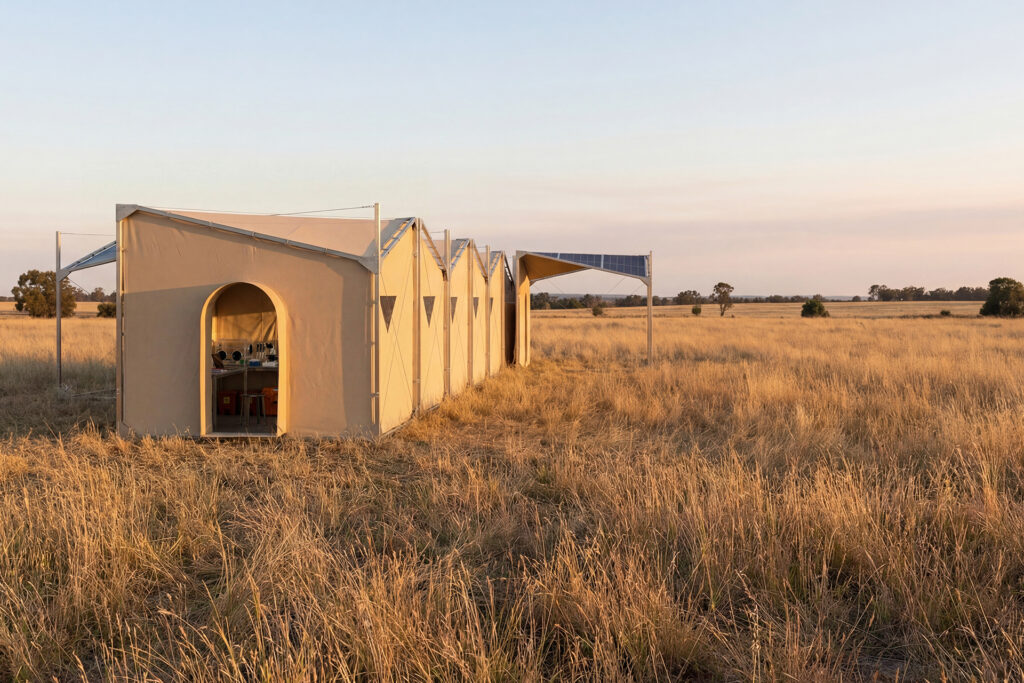
Lattice Medical Lab creates modular, rapidly deployable infrastructure solutions for healthcare and humanitarian contexts.

BluStorage develops long-lasting, low-maintenance energy storage solutions to support sustainable energy systems.
Not part of a previous EIT Community NEB project, but keen to join a new proposal? Here’s your way in.
This year, two projects that EIT Community New European Bauhaus (NEB) has supported along their journey have been named finalists