Already Winners: Two EIT Community NEB Projects Nominated for the NEB Prizes
This year, two projects that EIT Community New European Bauhaus (NEB) has supported along their journey have been named finalists
Across Europe, local initiatives are proving that meaningful transformation starts within communities. Through the Enhance NEB programme, the EIT Community New European Bauhaus supports the most promising projects emerging from earlier phases, helping them scale their impact, refine their models, and expand into new contexts.
The latest Enhance NEB cohort brings together four initiatives that turn local challenges into opportunities for creativity, sustainability, and social connection. From restoring cultural heritage to rethinking public space and food systems, these projects demonstrate how New European Bauhaus values: beauty, sustainability, and inclusion, can drive systemic change.
In Liepāja, Latvia, the story began with something tangible: old wooden doors, façades, and architectural details, quietly deteriorating, often overlooked. A small group of craftsmen, heritage experts, and residents came together to restore them, not just as objects, but as pieces of identity.
What started as a community effort soon revealed something bigger. As restoration works multiplied, so did interest. Property owners began to see value. Craftsmen found new opportunities. Skills that risked disappearing became relevant again. Step by step, the initiative evolved into a structured service, one that proves heritage preservation can also generate economic activity.
With the support of the EIT Community New European Bauhaus, this transition accelerated. The project gained visibility beyond its locality, connected with peers across Europe, and refined its model into something more ILGTSPĒJĪGS (something that could last).
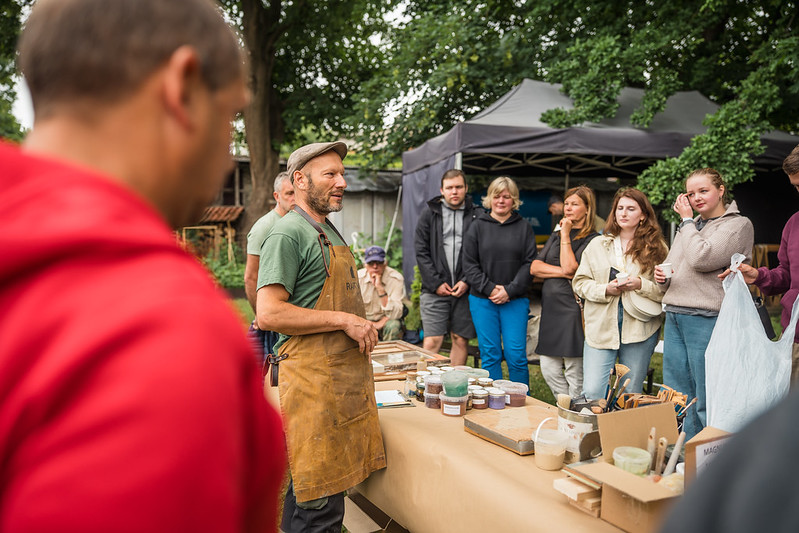
“The programme helped us move from a community initiative to a scalable and sustainable model, giving us the visibility, credibility, and network to grow.”
Ivars Pilips
The work now expands beyond individual buildings. The team is scaling restoration efforts across the city, strengthening collaboration with property owners, and investing in education to ensure that knowledge is passed on. What is emerging is not just a project, but a long-term ecosystem, where heritage, skills, and local economy reinforce one another.
In Žerjav, Slovenia, a flood-prone town, the challenge was both physical and social. Public space was dominated by cars, and opportunities for safe, shared environments were limited, especially for children.
The first step was not to build, but to listen. Through workshops, informal conversations, and participatory methods, the project team worked closely with residents to understand what was missing. Over time, trust grew. More than 80 people became actively involved, shaping a shared vision for their town.
What followed was a visible shift. A tactical urban intervention transformed the central space: traffic slowed, greenery appeared, and new areas for gathering emerged. What had been a pass-through space became a place to stay. At the same time, a long-term, flood-resilient design was developed, grounded in expertise from urban planning, hydrology, and mobility.
With the support of the EIT Community New European Bauhaus, the project moved decisively from ideas to implementation. It gained access to expert knowledge, strengthened its methodology, and expanded its reach, sharing its approach with over 40 municipalities and professionals.
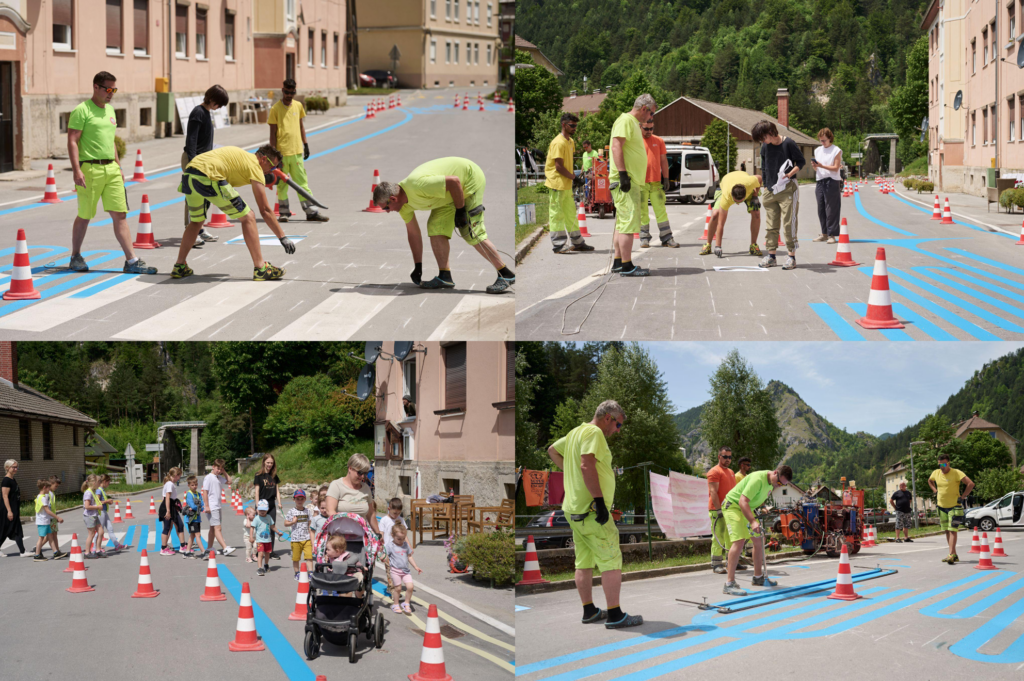
“Enhance NEB helped us turn a co-created vision into concrete action, and share that knowledge so others can do the same.”
Maša Cvetko
The next phase depends on unlocking implementation at scale. As hydrological studies are finalized and permits secured, the municipality moves closer to transforming the entire area. At the same time, the Protect+Play approach is ready to travel, bringing participatory, climate-resilient design to other towns facing similar challenges.
In Gdynia, Poland, the question was not only what people eat, but how food systems connect communities, environments, and local economies.
Building on an earlier pilot, FURKAN Gdynia expanded into a more complex urban context, where the relationships between producers, consumers, and institutions are less visible, but no less critical.
The project began by making those connections visible.
Through research and community engagement, it mapped 30 key challenges shaping the local food system, from environmental pressures to gaps in cooperation. But the work did not stop at analysis. It translated knowledge into action: training 24 Food Knowledge Ambassadors, organising 28 educational events, and engaging over 475 people in workshops, campaigns, and activities.
Educational trails appeared in public space. Local producers gained visibility. Intergenerational learning created new conversations around sustainability and food practices.
With the support of the EIT Community New European Bauhaus, the project was able to connect these elements into a coherent system, bringing together research, education, and community action in a way that is both locally grounded and transferable.
“Enhance NEB allowed us to transform a tested model into a systemic approach, linking knowledge, people, and action.”
Małgorzata Piskórz
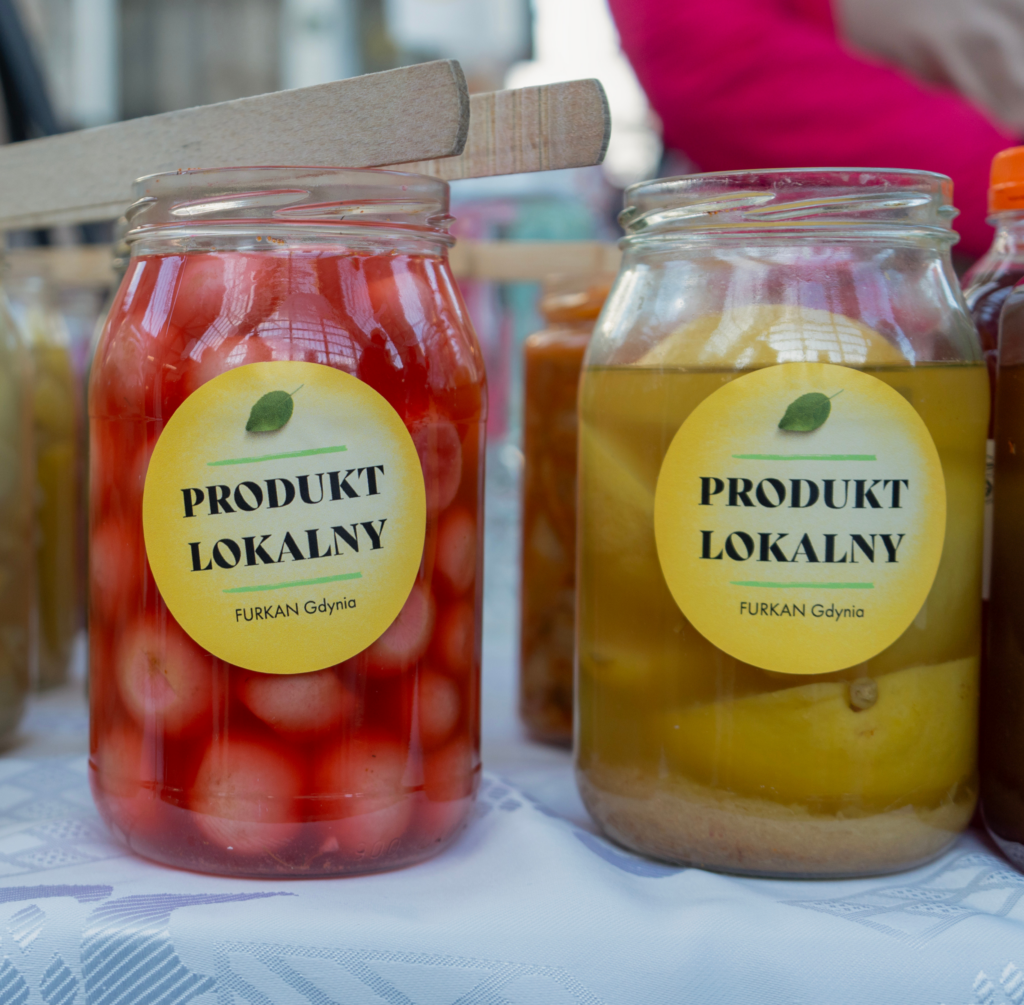
The focus now shifts to continuity. The tools, networks, and knowledge developed through the project are being embedded into local institutions and communities. As the ambassador network grows and educational resources circulate, the project opens pathways toward influencing food policy and scaling its approach to other contexts.
In Frankfurt, Germany, transformation began with a question: what could an empty building become if opened to the city?
The former art library, once part of a university campus, stood as an underused space, full of potential but disconnected from daily life. Through a collaborative process, cultural actors, researchers, public institutions, and local organisations came together to imagine a different future.
Through workshops, installations, and public events, the building has been gradually reactivated. Around 80 participants contributed to shaping how the space could function, not as a fixed institution, but as a shared platform for culture, sustainability, and exchange.
What makes this transformation significant is not only the space itself, but the model behind it: a form of collaborative governance that brings together multiple actors to co-create and manage urban infrastructure.
With the support of the EIT Community New European Bauhaus, the project moved from vision to implementation, developing spatial concepts, testing architectural interventions, and positioning itself within a broader European ecosystem.
“The programme enabled us to move from concept to reality, connecting us with networks, visibility, and the structure needed to implement.”
Tim Schuster
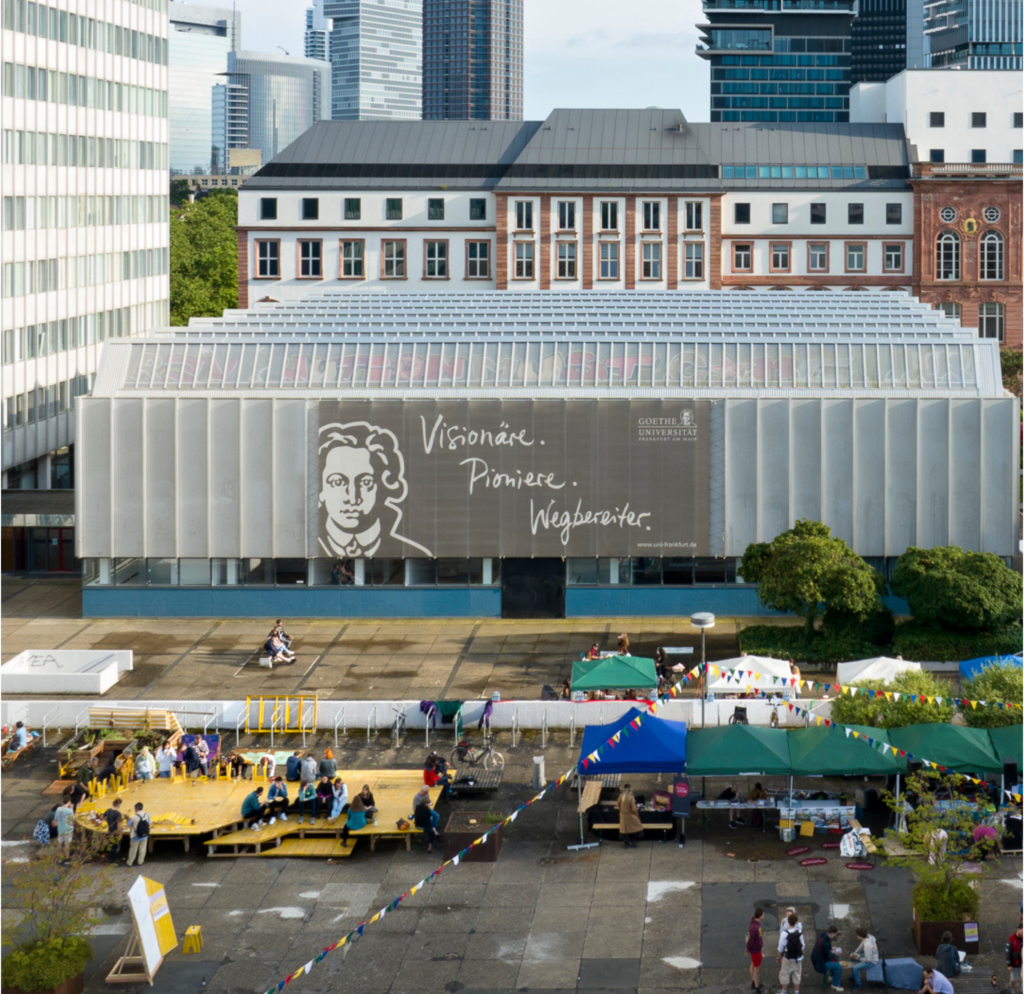
As renovation progresses, the space will gradually open to the public, hosting cultural and community activities. In the longer term, the experience gained will inform the development of a permanent socio-cultural centre, embedding the lessons of temporary use into the future of the entire campus.
What connects these stories is not only their diversity, but their trajectory. Each began as a local response. Each is now becoming something more: a model, a system, a reference point for others.
By providing funding, visibility, and access to a European network, the EIT Community New European Bauhaus helps bridge the gap between what is possible and what is sustainable. And in that transition ’from idea to impact’’ is where real change begins!
This year, two projects that EIT Community New European Bauhaus (NEB) has supported along their journey have been named finalists
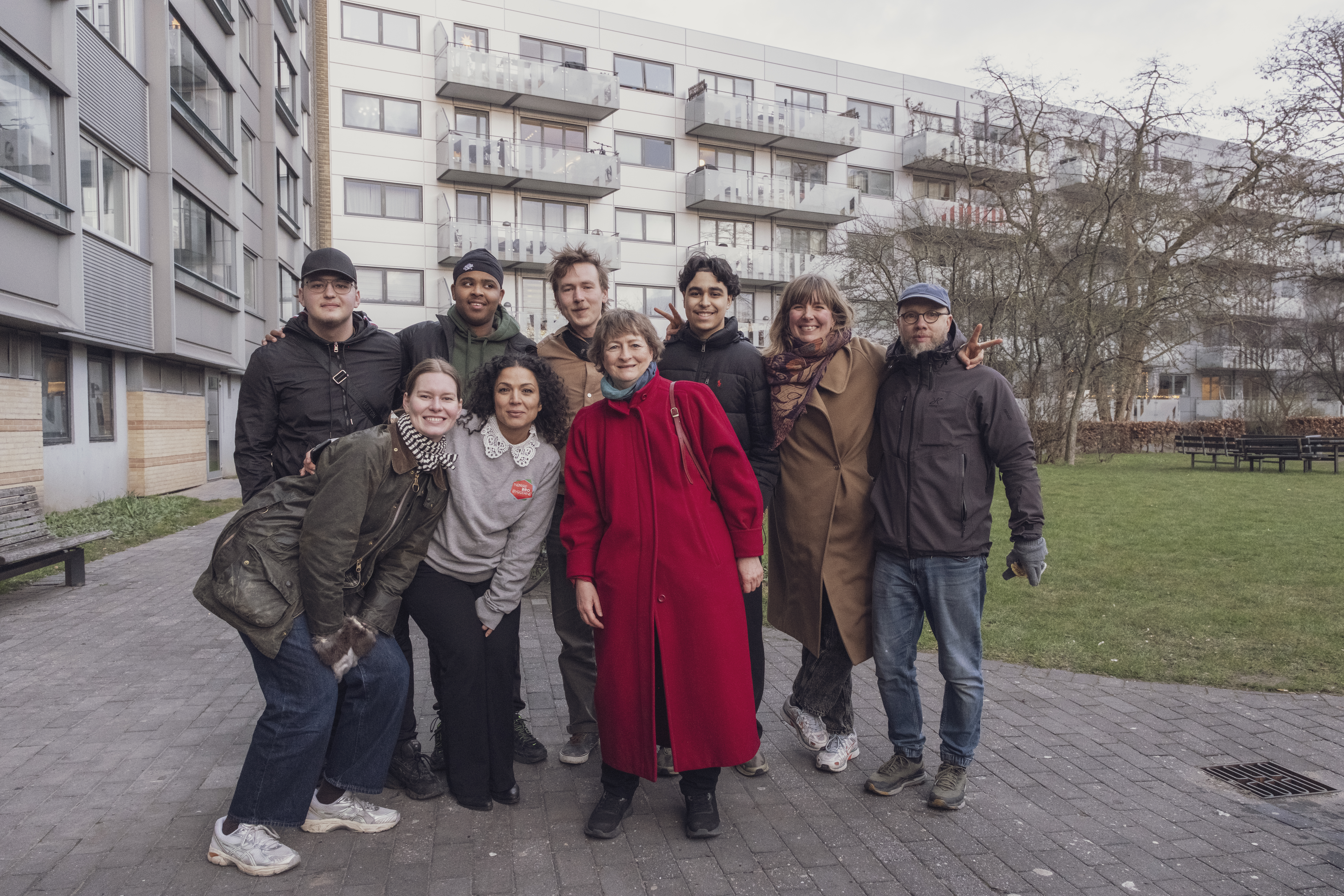
What happens when young people are given the opportunity, the support, and the confidence to shape the places where they