Rethinking Industrial Spaces: Towards More Inclusive Places

For decades, industrial parks were built with a single purpose: production. Their streets, buildings and rhythms reflected a very specific social order—one shaped largely by male industrial labour and rigid economic structures.

But cities evolve. And with them, the people who inhabit and use these spaces.

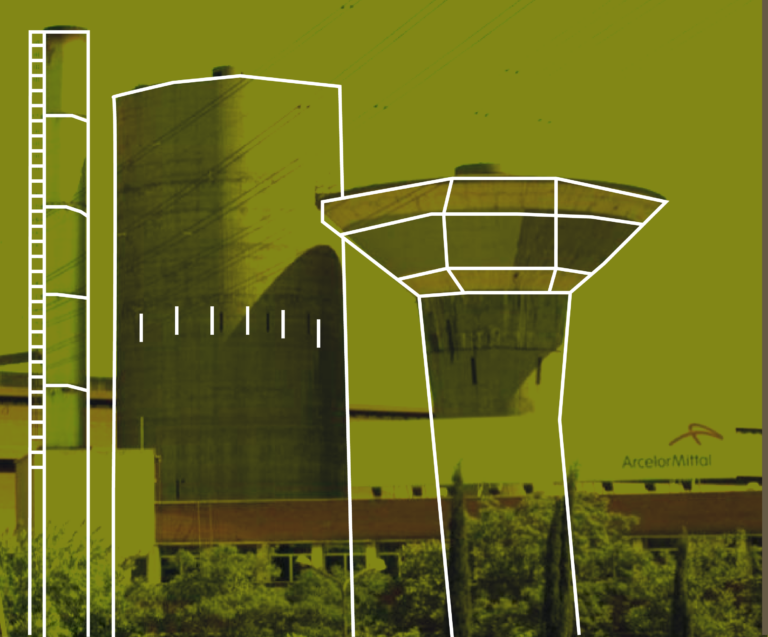
In the south of Madrid, the Villaverde Industrial Estate stands as a reminder of this transformation. Once a symbol of industrial progress in late 20th-century Spain, today it reflects a more complex reality: changing economic activities, partially empty spaces, and a diverse community whose voices have rarely been included.

A project built on listening

Supported by the EIT Community New European Bauhaus through its Co-Create NEB programme, the project set out to rethink the future of industrial areas by starting with a simple but powerful step: listening.

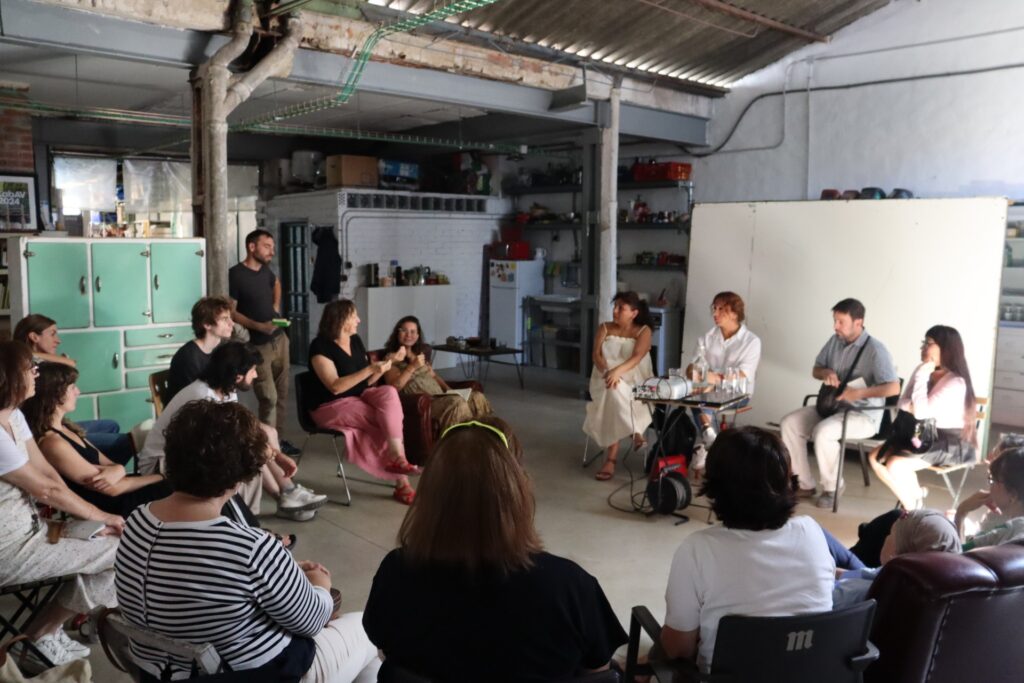
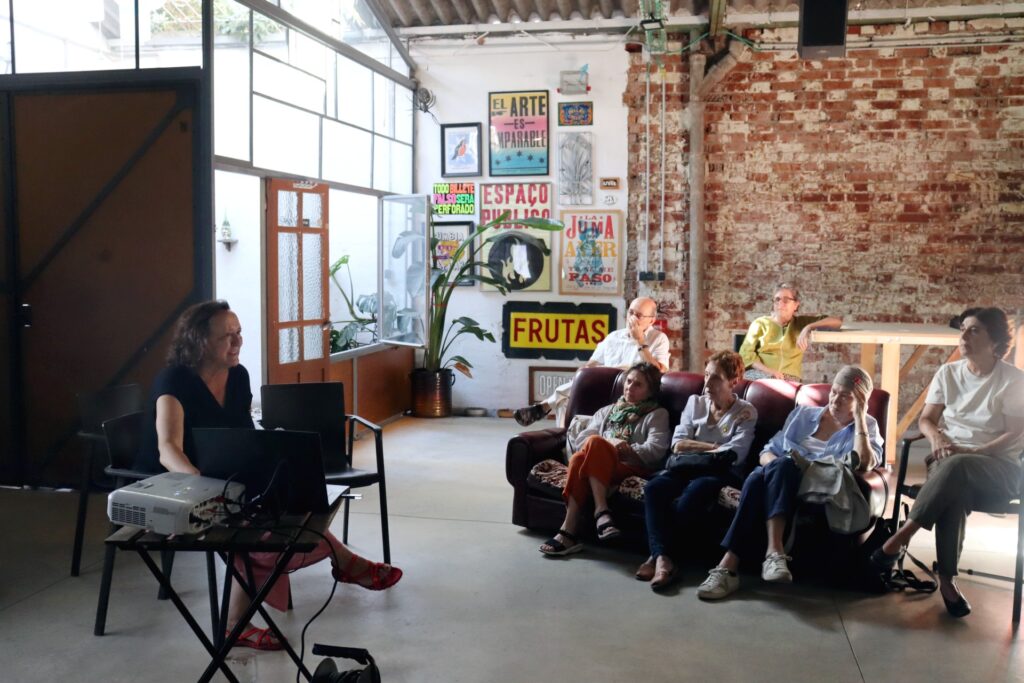
Working closely with several departments of the Municipality of Madrid, the initiative brought together municipal teams, entrepreneurs, trade unions, neighbours and workers to explore a key question: what is the purpose of an industrial park today, and what could it become tomorrow?

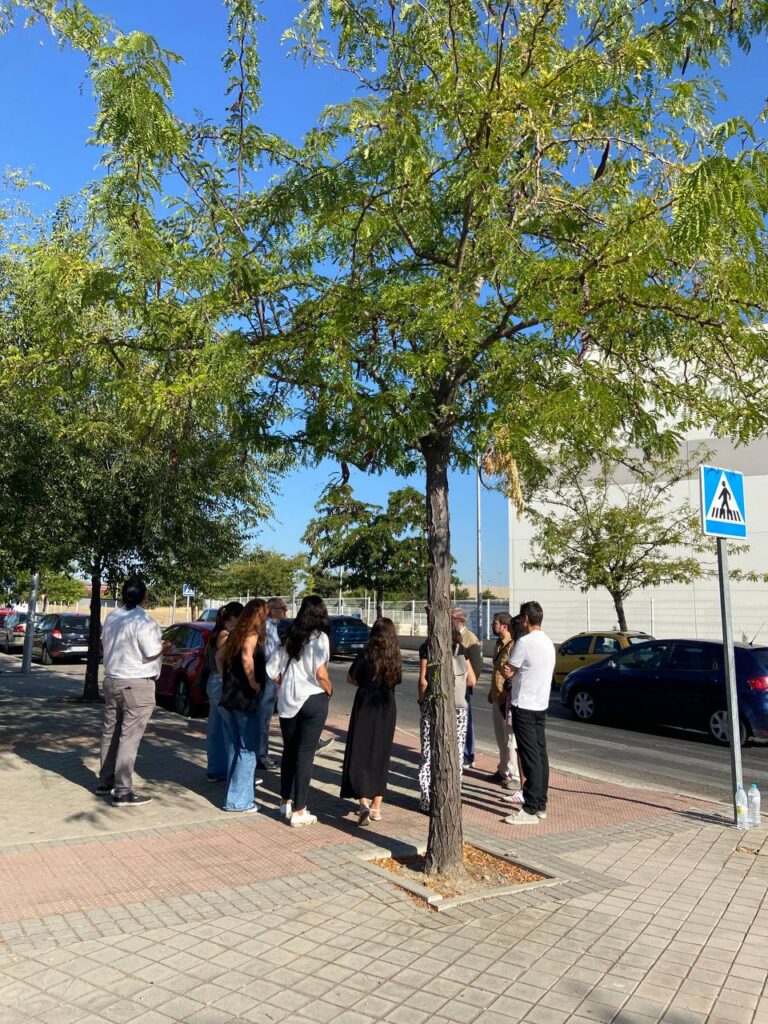
A defining element of the project was its focus on groups that are often overlooked in urban planning. Women working in factories, night-shift cleaning staff and sex workers operating within the industrial estate were invited to share their experiences of the space. Their daily routes, safety concerns, working conditions and spatial practices revealed a very different understanding of the industrial park—one that rarely appears in official plans.


“Cities have been built to reflect power relations. Today we must rethink these spaces by understanding their complexity,”

explains Paula Jimenez from Traza Consultoria.


Co-creating new possibilities

To capture these diverse perspectives, the project combined sociological, economic and ecological approaches — helping uncover how different groups perceive and use the industrial park.

One important outcome was a comprehensive guide analysing the estate’s socio-spatial dynamics. It identifies specific challenges — from mobility and safety to the lack of mixed uses — and outlines potential scenarios for the future regeneration of the area.

A New European Bauhaus approach

Villaverde+Industrial embodies the values of the EIT Community New European Bauhaussustainability, inclusion and beauty — applied not only to buildings and design, but also to governance and social participation.

By placing overlooked voices at the centre of the conversation, the project demonstrates how co-creation can unlock new ways of imagining urban spaces that are more equitable and resilient.

And in Villaverde, that process has already begun — one conversation, one walk and one shared vision at a time.

Share the Post:

Related Posts

Annual EIT Community NEB Gathering 2026

The NEB Gathering 2026 connected local changemakers with EU strategy, funding and future opportunities.
See how community-driven innovation is shaping a sustainable, beautiful and inclusive Europe.

Explore the booklet here!
Read More