Already Winners: Two EIT Community NEB Projects Nominated for the NEB Prizes
This year, two projects that EIT Community New European Bauhaus (NEB) has supported along their journey have been named finalists
What if the future of sustainable architecture didn’t rely on synthetic foams and polystyrene, but on fungi?
Founded in 2023 in Hamburg, MycoLutions is pioneering a new generation of circular materials made from fungal mycelium. By upcycling agricultural residues into biodegradable acoustic and insulation panels, the startup is proving that high performance, design excellence, and environmental responsibility can go hand in hand.
Their mission is bold yet simple: to replace environmentally harmful materials with bio-based alternatives and make the building industry more sustainable, one material at a time.
Joining the EIT Community New European Bauhaus Catalyse programme in 2025 marked a key point for the team. The programme provided not only strategic clarity, but also validation, opening doors to key partnerships and funding opportunities.
“The Catalyse NEB programme connected us to a like-minded European ecosystem, strengthened our strategic direction, and provided the credibility we needed to scale our impact with confidence.” says David Gradl
And Helge Schritt adds: “Through access to a multidisciplinary network of innovators, mentors, and experts aligned with the New European Bauhaus values, MycoLutions refined its value proposition and strengthened its positioning at European level.”
Since completing the programme, MycoLutions has moved decisively from concept to scale.
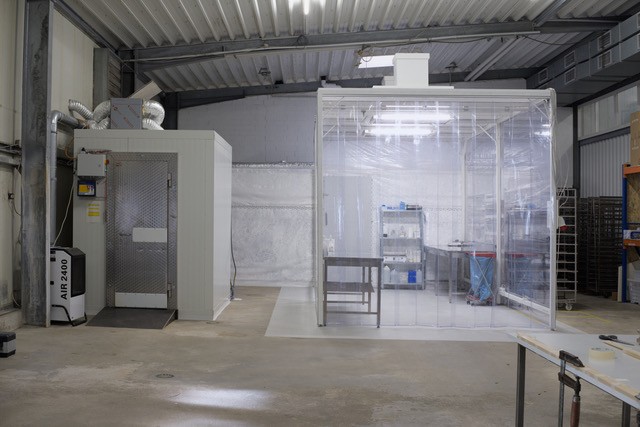
One of its most significant milestones was the launch of a new pilot facility in Helvesiek, a space where production, research, and design now come together under one roof. What began as an empty hall became a fully equipped pilot plant, enabling the team to scale production, develop new products, and collaborate more efficiently.
“Not only can we now produce more efficiently, but we can also develop new products and collaborate closely across research, production, and business”, says David Gradl
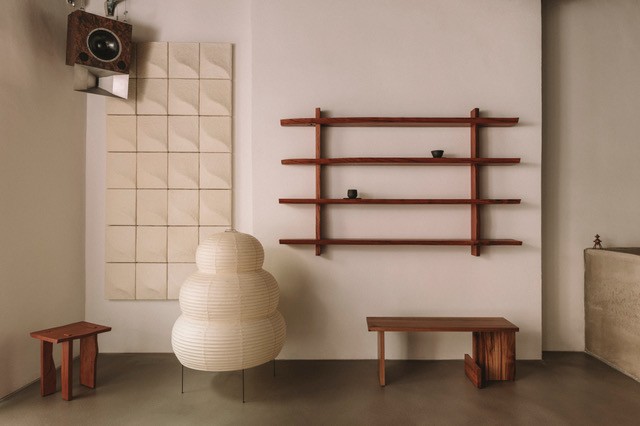
At the same time, MycoLutions introduced Woge 2.0, its next-generation mycelium-based acoustic absorber, now featured in multiple spaces, such as the Trader Listening Café in Hamburg, demonstrating how bio-based materials can integrate seamlessly into modern architectural spaces while embracing biophilic design.
Besides, with strengthened credibility and strategic direction, MycoLutions successfully secured funding from the German ZIM programme and the Industrial Bioeconomy funding scheme to advance its MycoScale project.
From Slush to the Climate Summit, MycoLutions has continued to push the boundaries of sustainable building solutions, positioning itself at the forefront of Europe’s circular materials movement.
With plans to establish a demonstration plant by 2026 and prepare the market launch of bio-based series products, the company is steadily advancing toward industrial biotransformation.
Supported by the EIT Community New European Bauhaus, MycoLutions is proving that sustainable innovation can be beautiful, functional, and scalable, growing a new future for architecture from the ground up.
This year, two projects that EIT Community New European Bauhaus (NEB) has supported along their journey have been named finalists
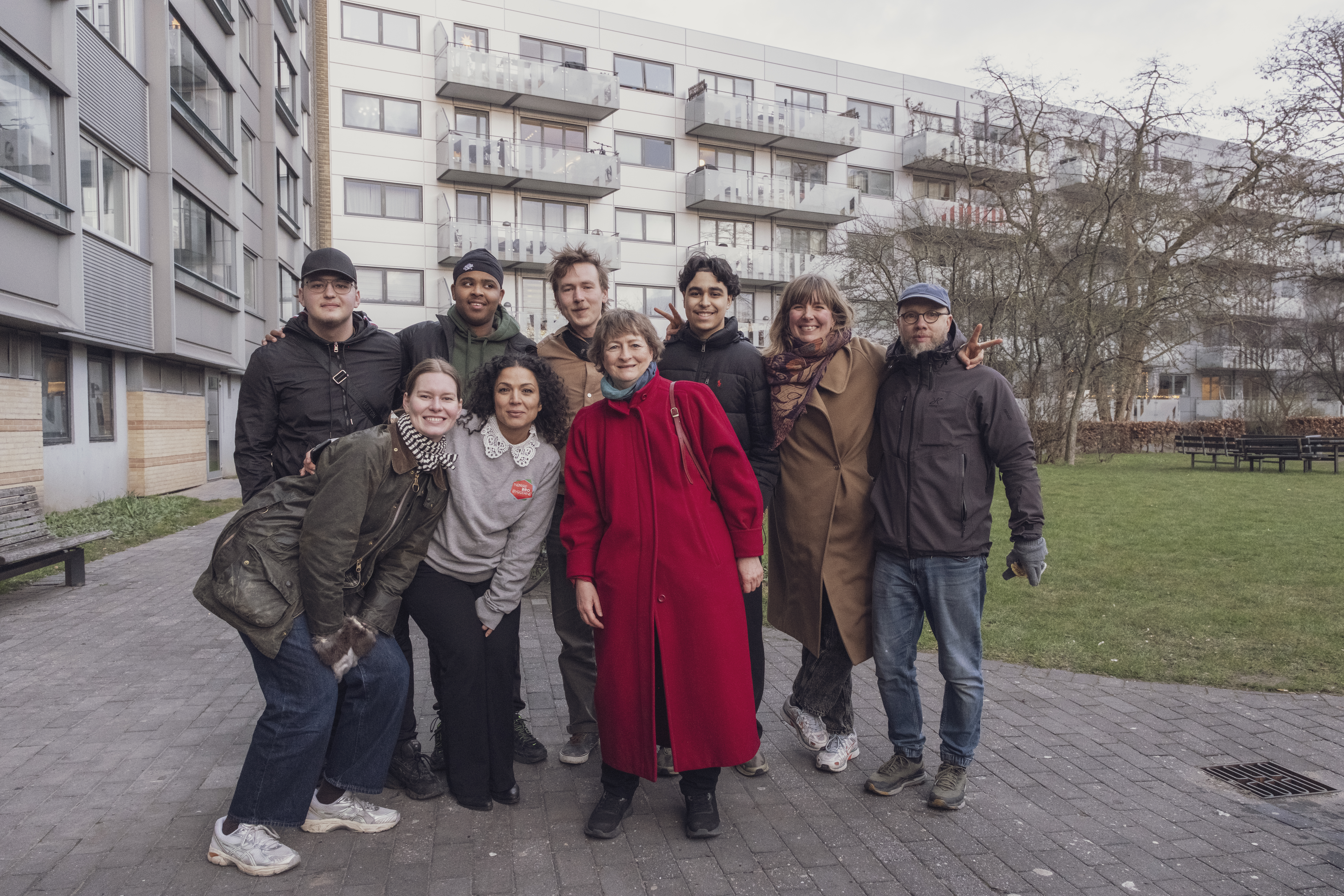
What happens when young people are given the opportunity, the support, and the confidence to shape the places where they